

Vet Nurse Jobs Tasmania
Learn about the benefits of vet nurse jobs in Tasmania
Explore Vet Nurse Jobs Tasmania
For veterinary nurses who want a career connected to their community and plenty of opportunities to enjoy the outdoors, Tasmania offers an appealing alternative to mainland city life. Vet nurse jobs in Tasmania span small animal clinics, emergency services, mixed practices, animal welfare organisations and other veterinary workplaces, although the range of roles differs between locations. Nurses may find opportunities to build broad general nursing skills, develop interests in surgery and anaesthesia, or progress towards senior responsibilities. From Hobart and Launceston to coastal towns and rural communities, the best fit will depend on your experience, preferred caseload and the kind of workplace you want. Search vet nurse jobs in Tasmania today!
Living in Tasmania
Tasmania offers a distinctive mix of historic cities, coastal communities and access to wilderness. Hobart is known for its waterfront, Salamanca Market, galleries and MONA, while Launceston combines heritage architecture and a lively food scene with Cataract Gorge close to the city centre. In the north-west, Devonport and Burnie offer coastal walks, beaches and access to agricultural communities and regional attractions. Smaller towns provide their own local character, although access to shopping, healthcare and other services can vary.
Outdoor recreation is a major part of Tasmanian life. Walking tracks, national parks, beaches and wildlife areas provide plenty to explore on days off. The cooler climate is a welcome change for some people, but winters can be cold and wet, particularly in elevated areas. A warm home, appropriate clothing and reliable heating can make a real difference to comfort during the colder months.
Day trips. Hobart offers access to Bruny Island, the Tasman Peninsula, Richmond and Mount Field National Park. From Launceston, explore the Tamar Valley, the north-east coast and nearby countryside. The north-west coast has beaches and coastal towns, while the west offers rugged scenery, rainforest and historic settlements. Shorter outings may involve a beach walk, local market or forest trail, depending on where you live.
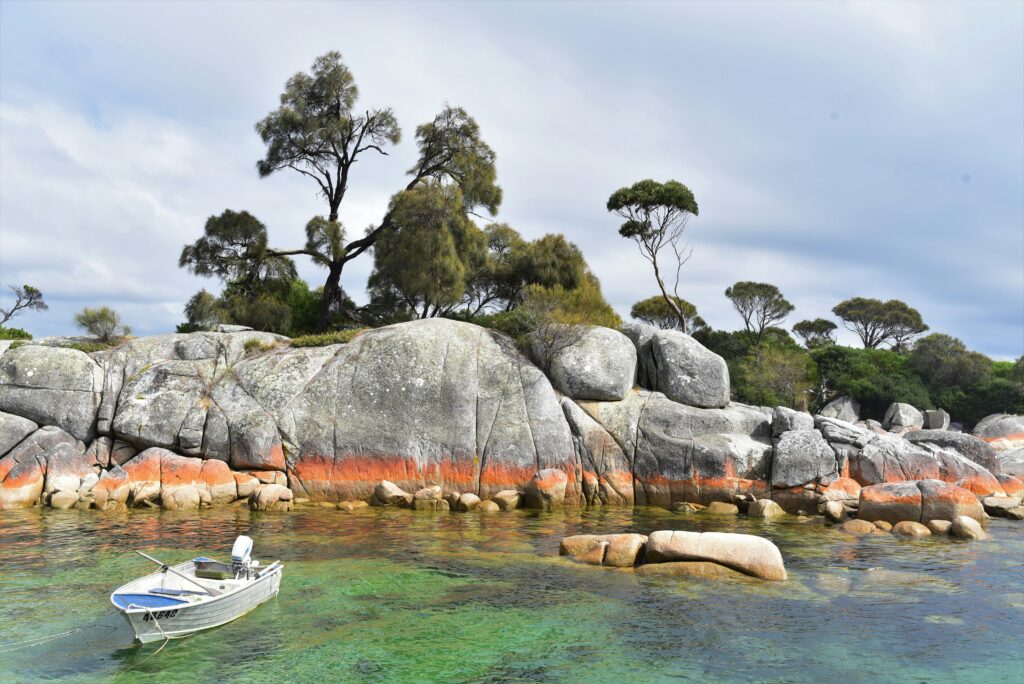
Holidays around the state. Freycinet National Park, Wineglass Bay and the Bay of Fires are popular for coastal scenery and walking. Cradle Mountain–Lake St Clair National Park is known for alpine landscapes, while Maria Island offers wildlife and walking trails. The Tarkine/Takayna region provides access to temperate rainforest, and the Huon Valley is a favourite for rural scenery and local produce. Tasmania’s relatively compact size makes road trips rewarding, although some destinations are several hours apart.
Events and entertainment. Dark Mofo brings a distinctive winter arts program to Hobart, while the summer Taste of Summer festival celebrates local food and drink. The Sydney to Hobart Yacht Race finish attracts crowds to the waterfront, and the Royal Hobart Show features agricultural exhibits, animals and family activities. Regional towns host food festivals, markets and community events throughout the year, while MONA offers contemporary art exhibitions and performances.
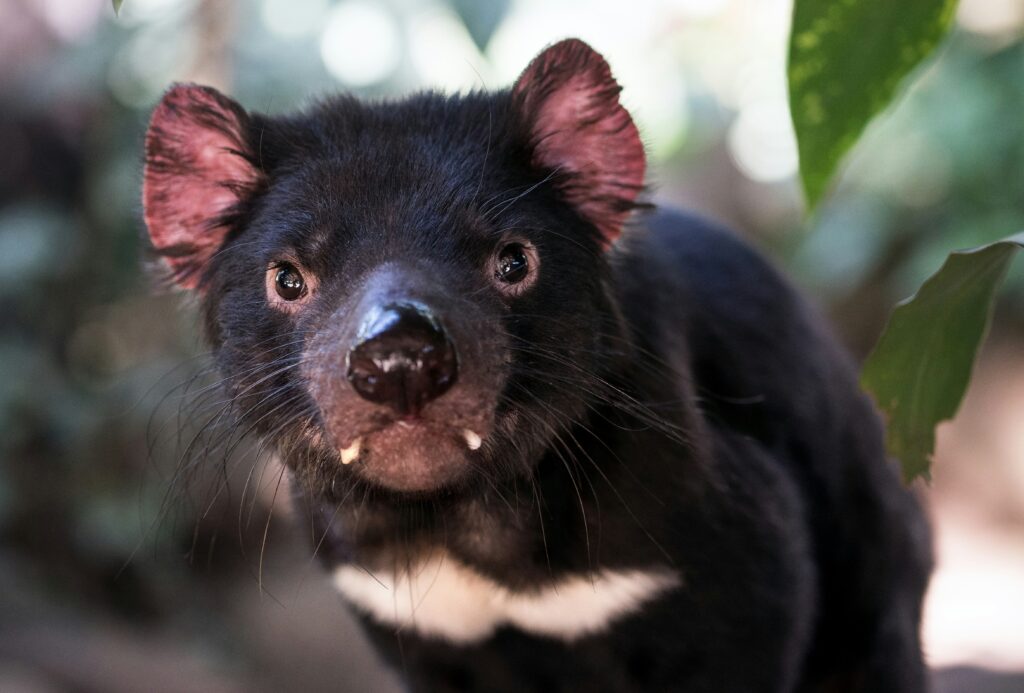
Family-friendly living. Families can visit Bonorong Wildlife Sanctuary, explore Cataract Gorge, spend time at local beaches or discover the state’s museums and gardens. National parks offer walking and picnic opportunities, and wildlife watching can be part of everyday outings. If you live outside the main centres, it is worth checking the distance to schools, childcare, shops and other services when choosing a home.
Learn more about Hobart and Tasmania generally
Cost of living in Tasmania
Buying and renting. Housing costs differ between Hobart, Launceston, the north-west coast and rural towns. Hobart is often more expensive than some regional areas, but affordability also depends on rental availability, property condition and distance to work. A cheaper property farther from a clinic may increase transport costs, particularly if you need a car. Compare current listings and local market reports for the particular town or suburb you are considering.
Public transport. Metro Tasmania provides bus services in Hobart and Launceston, with regional services available on selected routes. Coverage is more limited in smaller communities, so a car may be necessary for many veterinary nursing roles. Check the relevant routes and operating hours before choosing accommodation, especially if your shifts start early, finish late or include weekends.
Everyday expenses. Regular costs include groceries, electricity, internet and insurance. Winter heating can add to household bills, and older homes may be less energy efficient. Car ownership may be essential outside the larger centres, bringing costs for fuel, registration, insurance, maintenance and longer journeys. When comparing nursing roles, consider guaranteed hours, weekend and evening penalties, overtime, professional development and roster predictability alongside the advertised hourly rate.