

Vet Jobs Tasmania
Learn about the benefits of vet jobs in Tasmania
Explore Vet Jobs Tasmania
Tasmania offers veterinarians the opportunity to build a rewarding career while living among some of Australia’s most distinctive landscapes. Vet jobs in Tasmania can suit vets interested in small animal general practice, mixed animal work, emergency care, livestock, equine medicine and regional veterinary services. Opportunities are spread across Hobart, Launceston, the north-west coast and smaller rural communities, with the range of available clinical work varying by location. Whether you’re looking for a supportive first role, a change of pace from mainland city life or a position that brings you closer to rural and regional practice, Tasmania is worth exploring.

Living in Tasmania
Tasmania combines compact cities, historic towns, a strong food culture and easy access to wilderness. Hobart, the state capital, sits beside the River Derwent beneath kunanyi/Mount Wellington and offers waterfront dining, galleries, Salamanca Market and the internationally recognised Museum of Old and New Art (MONA). Launceston, in the north, has heritage streetscapes, cafés, parks and the spectacular Cataract Gorge close to its city centre. Devonport and Burnie provide coastal living in the north-west, with access to beaches, local communities and the surrounding agricultural region.
The state appeals to people who enjoy walking, cycling, wildlife watching, fishing and exploring quieter coastal roads. Tasmania’s cooler climate brings crisp winters and generally mild summers, although conditions vary with altitude and region. Rural and regional communities can offer a different pace of life from the larger mainland capitals, but access to particular services, specialist veterinary facilities and transport links depends on where you settle.
Day trips. From Hobart, explore Richmond, the Tasman Peninsula, Bruny Island and the forest trails around Mount Field. Launceston provides a base for the Tamar Valley, local food and wine, and the north-east coast. In the north-west, the coastal towns around Devonport and Burnie offer beaches, regional produce and access to inland forests. The historic mining town of Queenstown and the west coast provide a very different landscape of rugged mountains and rainforest.
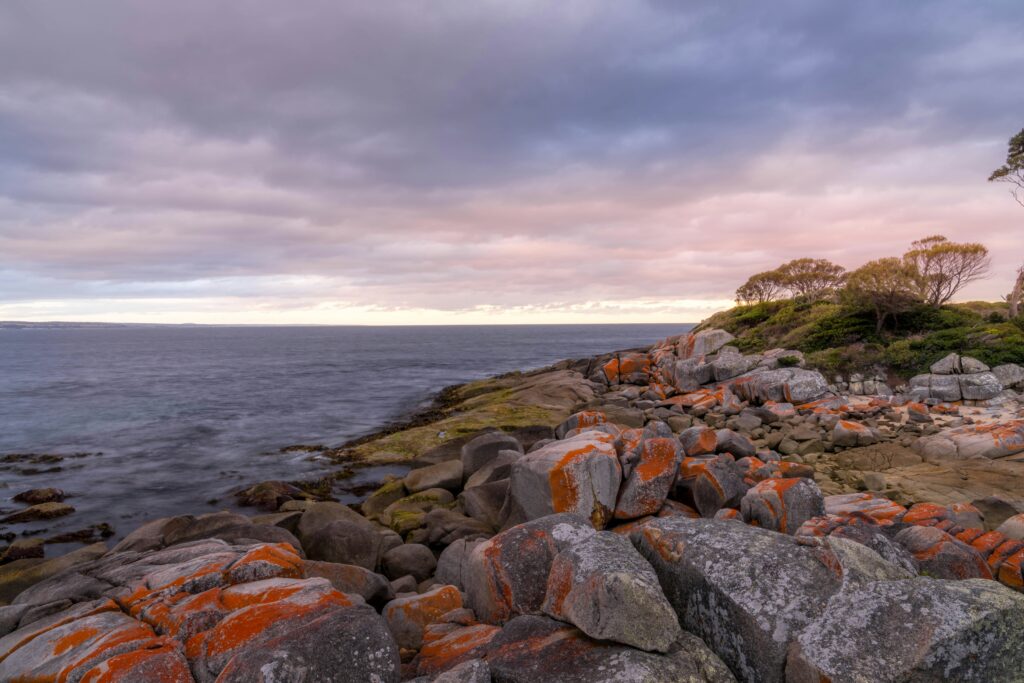
Holidays around the state. Freycinet National Park and Wineglass Bay are renowned for their coastal scenery, while the Bay of Fires is known for white beaches and orange-lichen-covered granite. Cradle Mountain–Lake St Clair National Park offers alpine scenery, hiking and wildlife, and the Tarkine/Takayna region in the north-west is valued for its temperate rainforest and remote landscapes. Maria Island is another standout for walking and wildlife, while the Huon Valley offers orchards, forests and small-town food experiences.
Events and entertainment. Tasmania’s calendar includes Hobart’s Dark Mofo winter festival, the summer Taste of Summer festival and the finish of the Sydney to Hobart Yacht Race. The Royal Hobart Show brings agricultural displays and family entertainment, while Launceston and regional towns host their own food, arts and community events. MONA adds a distinctive contemporary arts program, and local markets and festivals celebrate the state’s produce and creative communities.
Family-friendly living. Families can visit Bonorong Wildlife Sanctuary, explore the Tasmanian Museum and Art Gallery, take walks around Cataract Gorge or discover beaches and nature reserves throughout the state. Outdoor activities are a major drawcard, from short forest walks to wildlife spotting and coastal picnics. Distances between regions can be significant, however, so longer trips usually need more planning than a day out in a single metropolitan area.
Learn more about Tasmania.
Cost of living in Tasmania
Buying and renting. Property prices and rents vary considerably between Hobart, Launceston, the north-west and smaller rural communities. Hobart generally sits at the more expensive end of the Tasmanian market, while some regional locations offer lower purchase prices. However, a lower housing cost may come with fewer rental options, longer journeys or reduced access to services. Use current suburb-level listings and recent property reports to compare locations rather than relying on a single statewide figure.
Public transport. Metro Tasmania operates bus services in Hobart and Launceston, while regional services connect selected towns and communities. Public transport coverage is more limited outside the main urban areas, and many residents rely on a car for commuting, shopping and travelling between towns. Check current routes and timetables before accepting a position, especially if the role includes early starts, late finishes or on-call work.
Everyday expenses. Budget for groceries, electricity, internet, insurance and household supplies. Heating can be a significant cost during winter, particularly in older homes or colder inland areas. Car ownership is also worth factoring in if your workplace is outside a major town, including fuel, registration, insurance, servicing and longer-distance travel. Compare salary and roster conditions with the local cost of housing and transport to assess the overall value of a veterinary position.