

Vet Jobs Melbourne
Learn about the benefits of vet jobs in Melbourne
Explore Vet Jobs Melbourne
Melbourne is an appealing place to build a veterinary career, with vet jobs in Melbourne spanning everything from community-based general practice to emergency medicine, specialist referral and research. The city’s large and varied veterinary sector gives new graduates opportunities to develop their clinical skills, while experienced vets can explore specialist interests, leadership positions or workplaces with a different approach to patient care and work-life balance. Outside the clinic, Melbourne offers a lively food and arts scene, passionate sporting communities and easy access to Victoria’s beaches, forests and regional towns. Search vet jobs in Melbourne today!
Living in Melbourne
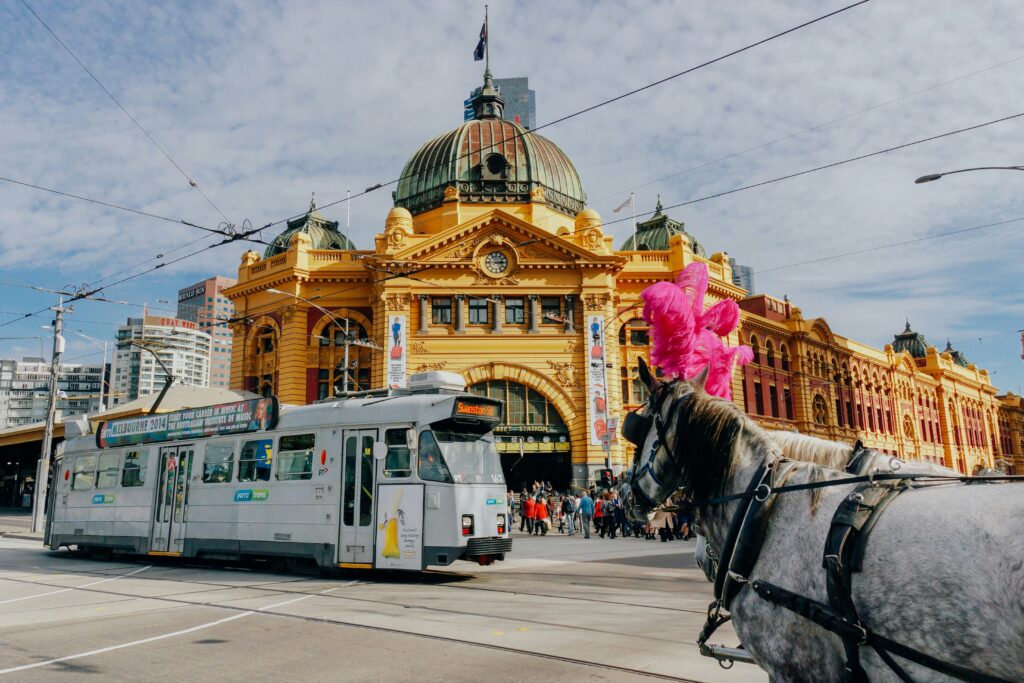
Melbourne is known for its laneways, café culture, arts scene and major sporting events. The CBD has independent coffee shops, street art, restaurants and shopping, while Federation Square, the National Gallery of Victoria and the State Library provide cultural attractions throughout the year. The Royal Botanic Gardens offer a peaceful escape close to the city, and the Yarra River trails are popular for walking, cycling and running. Neighbourhoods such as Fitzroy, Carlton, Brunswick and Collingwood each have their own mix of restaurants, music venues, markets and independent businesses.
Sports are a major part of local life. Australian Rules football attracts passionate supporters, while the Melbourne Cricket Ground hosts cricket and major events. The Australian Open brings international tennis to the city each summer, and the Formula 1 Australian Grand Prix is another major annual attraction. Melbourne’s famously changeable weather means having indoor and outdoor plans is useful, particularly during winter.
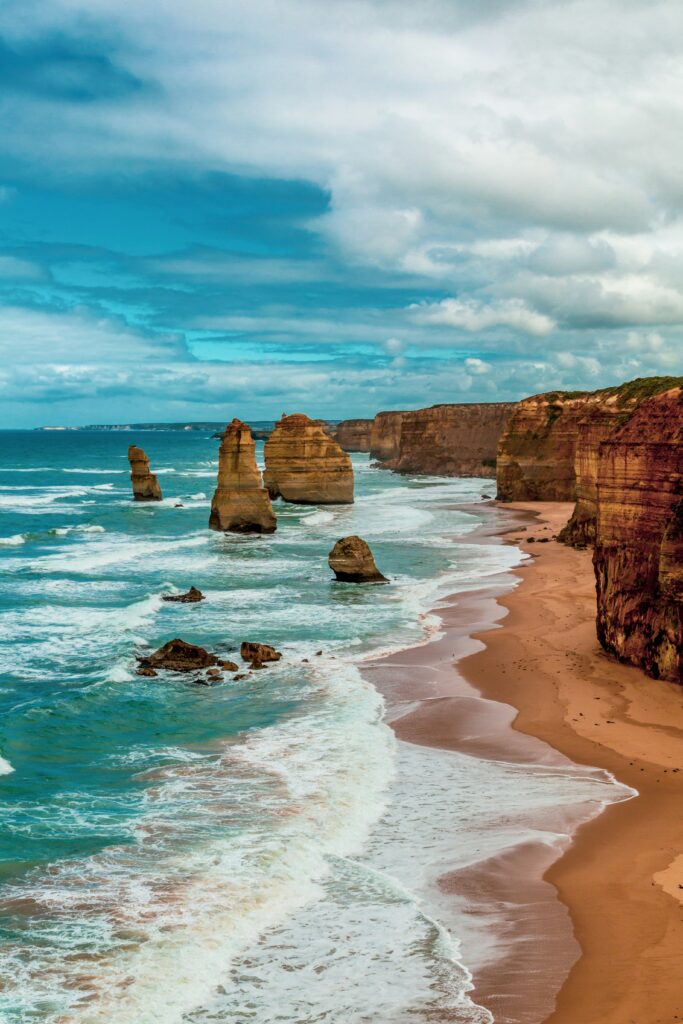
Day trips. The Great Ocean Road offers dramatic coastal scenery, beaches and the Twelve Apostles. The Mornington Peninsula combines seaside towns, walking trails, hot springs and wineries, while the Yarra Valley is known for vineyards, regional food and countryside. The Dandenong Ranges provide forest walks, gardens and small villages, and Phillip Island is popular for its penguin parade and coastal wildlife.
Holidays in Victoria. The High Country offers hiking, alpine scenery and seasonal snow activities. The Grampians (Gariwerd) are known for walking trails, rock formations and wildlife, while Wilsons Promontory has beaches, coastal walks and camping. Regional destinations such as Bendigo, Ballarat and the Murray River offer history, food and relaxed weekend escapes.
Events and entertainment. Melbourne’s calendar includes the Melbourne International Comedy Festival, Melbourne International Film Festival, Moomba Festival and major events across its arts precincts. The Royal Melbourne Show brings agricultural displays and family entertainment, while the Spring Racing Carnival and major sporting fixtures attract visitors from across the country.
Family-friendly living. Families can visit Melbourne Zoo, Scienceworks, Melbourne Museum and the SEA LIFE Melbourne Aquarium. The Royal Botanic Gardens, local playgrounds and extensive cycling paths provide outdoor options, while beaches at St Kilda and Brighton are accessible from many inner suburbs. There are also regional wildlife parks, nature reserves and family attractions throughout the surrounding area.
Why vets choose Melbourne. The scale of the city creates opportunities to explore different clinical interests, employers and career pathways. The trade-off is that commuting times, housing costs and traffic vary substantially across the metropolitan area, so choosing where to live in relation to work is important.
Cost of living in Melbourne
Buying and renting. Domain’s September 2026 House Price Report records Melbourne’s median house price at $1,014,335 and median unit price at $563,199. Its September Rental Report puts median advertised rents at $600 per week for houses and $600 for units. These are metropolitan benchmarks; inner-city apartments, established family suburbs and outer growth areas can have very different prices.
Public transport. Melbourne’s network includes trains, trams and buses, with extensive services across the metropolitan area. The Free Tram Zone covers much of the CBD, while a myki card is commonly used for other journeys. Transport Victoria lists a weekday full-fare daily cap of $5.70 under the temporary half-price fare arrangements in place until 1 January 2027. Check current fares and zone requirements before budgeting, particularly if commuting from outer suburbs.
Everyday expenses. Allow for groceries, electricity, internet, insurance and seasonal heating. Winter heating can be important, particularly in older or poorly insulated homes. Car costs include fuel, registration, insurance, maintenance and parking, although some inner-city residents can manage without a car. When comparing veterinary offers, consider salary, roster, commute and housing together rather than judging a role on hourly pay alone.